

In any commercial kitchen, from a packed Seattle restaurant to a clever food truck, space is always at a premium. Every square inch has to pull its weight, contributing to your workflow and your bottom line. This is where a 2-burner gas cooktop proves its worth. It’s not just a scaled-down range; it’s a specialized tool built for maximum impact in a minimal footprint.
Your Secret Weapon for an Efficient Kitchen
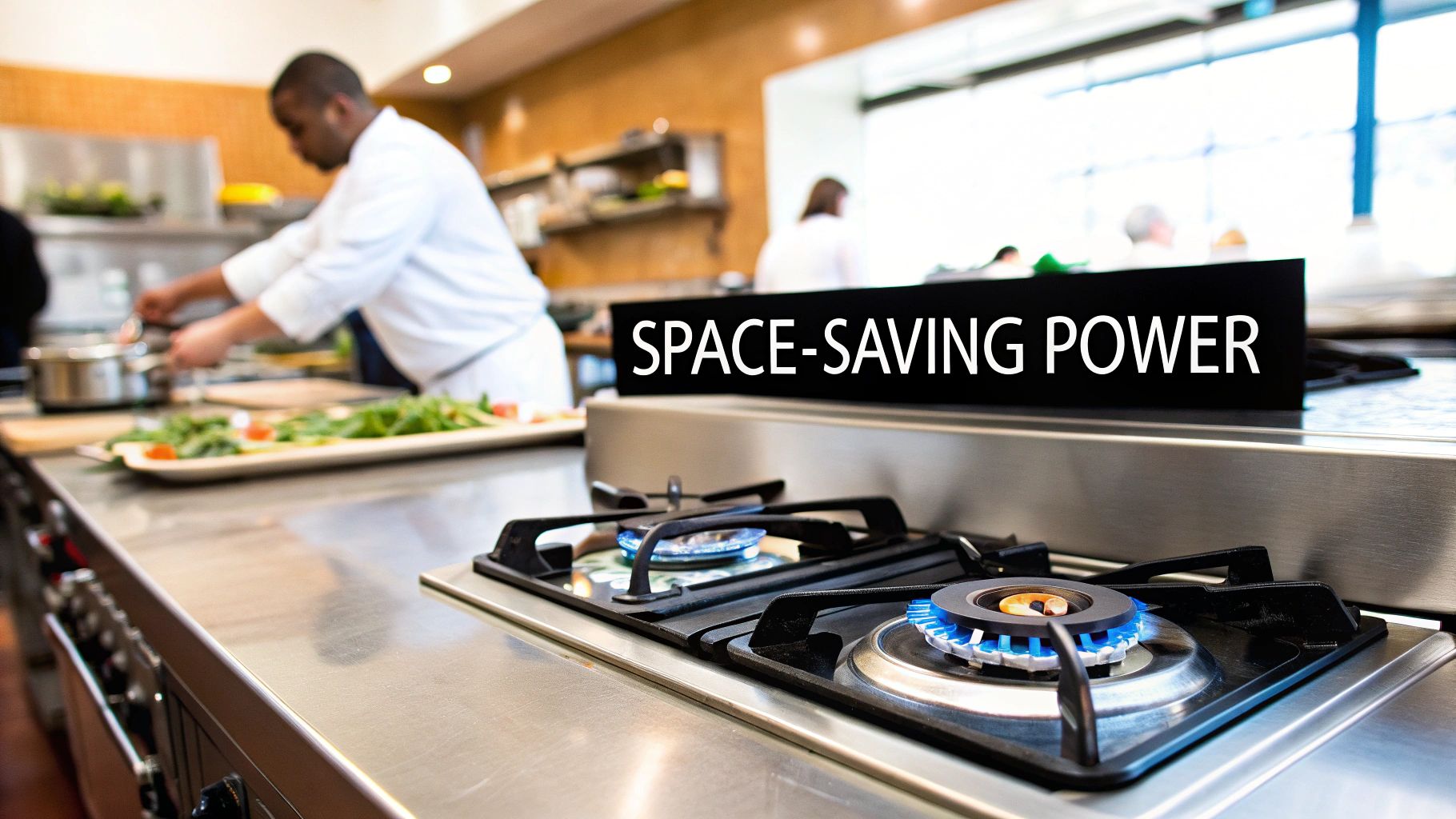
Think of it as the perfect support player for your main cooking line. While your big 6-burner range is cranking out the main dishes, the two-burner unit can be a dedicated station for simmering sauces, finishing delicate side dishes, or handling specific à la carte orders that come in. This kind of setup prevents bottlenecks and keeps the whole kitchen humming during those peak rushes.
More Than Just a Cooktop
For mobile kitchens like food trucks or pop-up stands, this compact workhorse often is the main cooking appliance. Its power and versatility let you execute a surprisingly diverse menu without being weighed down by bulky, oversized equipment. It’s this adaptability that has made it a go-to for so many independent operators.
The numbers back it up, too. The global gas cooktop market was valued at USD 5.34 billion in 2024 and is expected to keep growing, showing just how much demand there is for efficient cooking solutions. This trend highlights how essential pieces of equipment like the two-burner configuration are for helping small and medium-sized businesses compete. You can read the full research on the gas cooktop market to see how these trends are shaping the industry.
At Seattle Restaurant Equipment, we know the right equipment is about more than just cooking—it's about building a smarter, more productive kitchen. We stock reliable, commercial-grade units that help Washington-based businesses succeed.
With customer-focused perks like free shipping across Washington and straightforward financing options, upgrading your kitchen is easier and more affordable than you might think. We’re here to make sure you get the tools you need to serve your customers better, without the usual headaches.
Understanding Your Commercial Cooktop Specifications
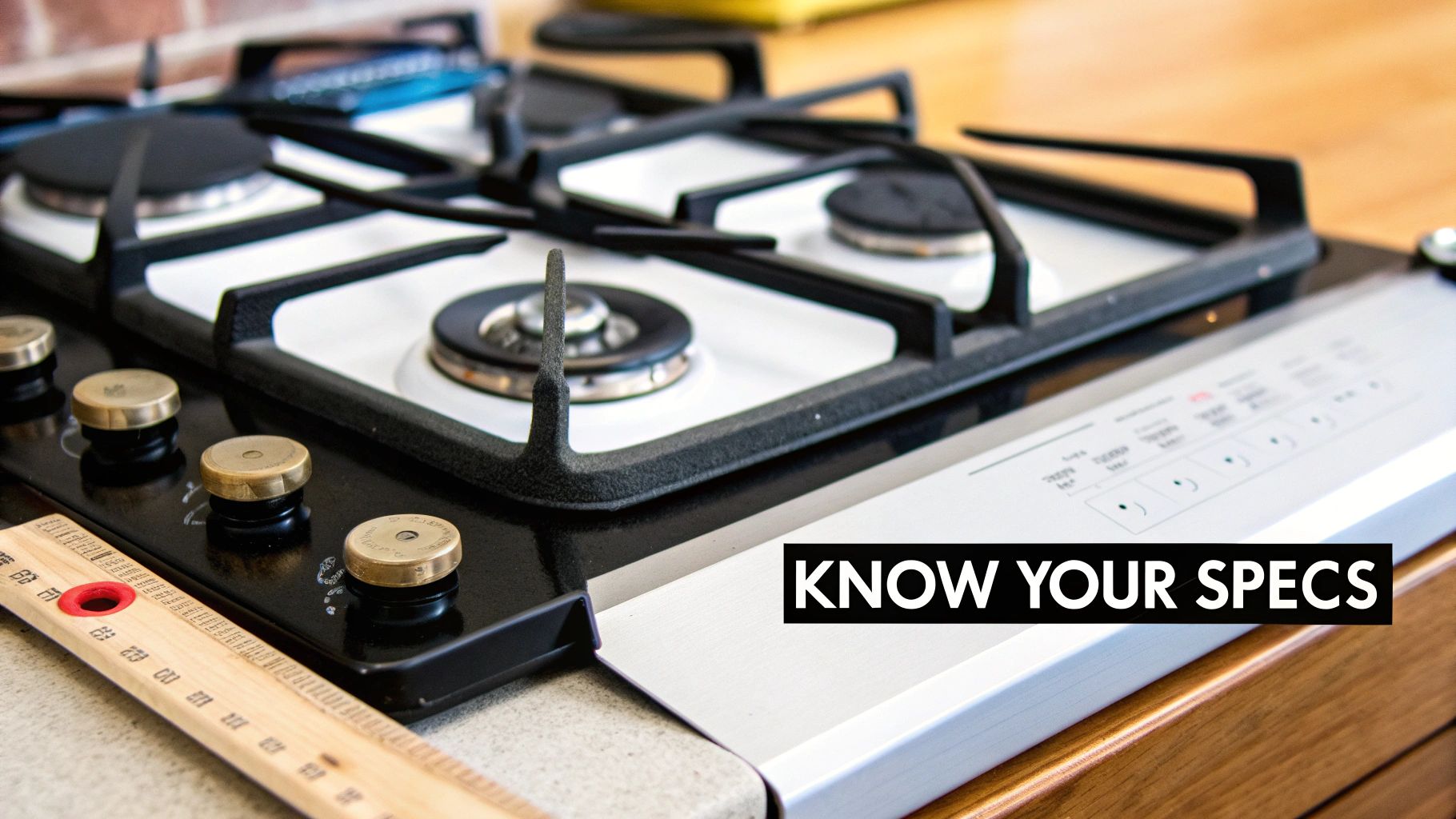
Choosing the right 2-burner gas cooktop isn't just about how it fits on the counter; it's about understanding the engine under the hood. The specs on a product sheet tell a story about how that unit will perform during a chaotic dinner rush. If you can translate the details, you can pick a cooktop that truly fits your kitchen's flow and menu.
Think of the BTU (British Thermal Unit) rating as the horsepower of your cooktop. A higher BTU means more raw heat and faster cooking times—absolutely essential for searing steaks or bringing a big stockpot to a rolling boil.
For most commercial kitchens, a range of 25,000 to 35,000 BTUs per burner hits the sweet spot. It gives you enough power for high-heat cooking while still offering the delicate control you need for simmering sauces.
Decoding Burner Types And Materials
Power isn't everything. The design of the burners and the materials used in construction are just as important. Think of different burner types as specialty tools, each designed for a specific job. Some high-performance models have dual-ring or star-shaped burners, which are fantastic for providing superior heat distribution. This gets rid of the hot spots that can scorch one part of a pan while leaving another undercooked.
The material of your cooktop is its armor. It has to stand up to the daily battles of a commercial kitchen. Always look for units built from heavy-duty stainless steel. It resists corrosion, handles intense heat, and is way easier to clean. The grates are equally important.
- Cast Iron Grates: These are the industry standard for good reason. They're incredibly tough, hold heat like a champ, and can handle your heaviest pots and pans without breaking a sweat.
- Easy-to-Clean Design: Look for removable grates and a sealed burner area. This simple feature prevents food and grease from falling into the unit, making that end-of-day cleanup much faster.
A well-built cooktop isn't just an expense; it's an investment in reliability. Durable materials mean less downtime and fewer replacement costs, ensuring your kitchen runs smoothly for years to come. Just like a dependable commercial refrigerator or deep fryer, your cooktop is a cornerstone of daily operations.
The Critical Choice Natural Gas vs Propane
One of the first decisions you'll need to make is about your fuel source. The choice between Natural Gas (NG) and Liquid Propane (LP) comes down to your kitchen's setup, and it’s a big deal.
This table breaks down the main differences to help you decide which fuel source is the right fit for your operation.
Choosing Your Fuel Source Natural Gas vs Propane
| Feature | Natural Gas (NG) | Liquid Propane (LP) |
|---|---|---|
| Availability | Supplied via a continuous utility line | Stored in refillable tanks |
| Best For | Stationary kitchens (restaurants, cafes) | Mobile kitchens (food trucks, catering) |
| Installation | Requires a professional gas line hookup | Involves connecting and securing tanks |
| Cost | Generally lower cost per unit of energy | Can be more expensive; prices fluctuate |
| Portability | Not portable | Highly portable |
| Conversion | Many units can be converted to LP | Many units can be converted to NG |
Natural Gas is piped directly into your building, making it a super convenient and often cheaper option for brick-and-mortar restaurants. On the other hand, Liquid Propane is stored in portable tanks, making it the only real choice for food trucks and mobile caterers.
While many cooktops can be converted from one fuel type to another with a special kit, it’s critical to know what you need before you buy. For a deeper dive, you can learn more about the differences between LP and natural gas in our comprehensive guide. Getting the fuel source right from the start ensures your installation is seamless, safe, and up to code.
How to Maximize Your Menu with a Compact Cooktop
Don't let the small size fool you. A 2-burner gas cooktop is much more than a simple space-saver; it’s a powerhouse for expanding your menu and streamlining how you work. In the fast-paced Pacific Northwest food scene, efficiency is everything. This little unit can be the key to unlocking new dishes, whether you're running a busy food truck or a packed restaurant kitchen.
Picture a Seattle food truck during the lunch rush. While your main griddle is searing proteins, a two-burner cooktop next to it can be sizzling onions and peppers for street tacos. This kind of parallel workflow gets orders out faster, keeps food piping hot, and makes for happier customers. The cooktop becomes a dedicated station for specific jobs, keeping your main line clear.
This flexibility isn't just for trucks. Think about a Bellevue coffee shop looking to add a lunch menu. A compact cooktop lets them simmer small batches of soup and chili without having to overhaul their kitchen for a full-sized range. It's a small investment that can seriously boost revenue and bring in a whole new crowd.
Boosting Efficiency in Established Kitchens
Even bigger kitchens can get a lot of value out of these units. A Tacoma deli, for instance, could use a 2-burner cooktop as a dedicated sauce station. While the main range is tied up with high-volume orders, this separate unit keeps delicate sauces perfectly warm and ready to go. No more bottlenecks, just perfectly finished dishes every time.
The real magic of a compact cooktop is its ability to declutter your primary cooking line. When you offload smaller, specialized tasks to a dedicated station, you free up your main equipment for the heavy lifting. The result is a more organized and productive kitchen, plain and simple.
This isn’t just a local trend. The Asia-Pacific region holds about 42% of the global gas stove market share, and two-burner units are a huge reason why. Kitchens all over the world rely on these compact, powerful cooktops for their strategic value. You can find more details about the global gas cooktop market on deepmarketinsights.com.
This diagram shows just a few ways different kitchens can put a compact cooktop to work for specialized tasks.
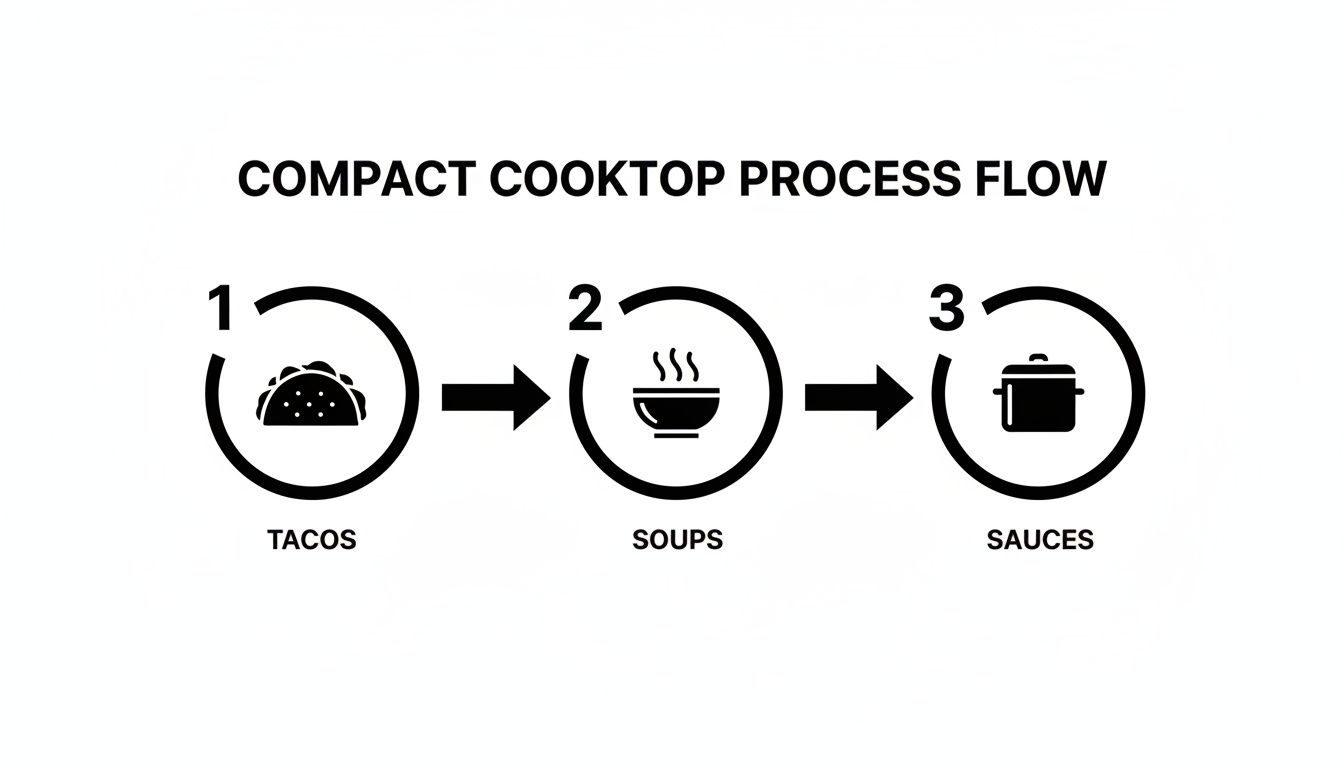
Whether you're perfecting tacos, simmering soups, or finishing sauces, a dedicated cooktop makes the whole process smoother and improves the quality of your menu. By adding a 2-burner gas cooktop, you’re not just buying another piece of equipment—you’re investing in a more efficient, versatile, and profitable kitchen.
Installation, Ventilation, and Safety Essentials
Bringing a powerful 2-burner gas cooktop into your kitchen is a great move, but let's be real: safety and proper installation are non-negotiable. Think of it like setting up any other critical piece of equipment, from a commercial freezer to a deep fryer—if you don't get the foundation right, you're setting yourself up for headaches and hazards down the road.
First things first, you need to connect the fuel source. This is a job for a licensed professional, especially here in Seattle where local codes are specific. They’ll make sure your gas lines are correctly sized, securely connected, and totally leak-free, whether you're tapping into a natural gas line or hooking up a propane tank for your food truck.
The Critical Role of Commercial Ventilation
Once the gas is connected, we need to talk about the single most important safety feature: your ventilation system. Gas cooktops throw off a ton of heat, smoke, and grease-filled air that has to go somewhere safe. In Washington state, any commercial cooking that produces grease requires a Type 1 commercial hood.
This isn't just a friendly suggestion; it's a mandatory fire safety requirement. A good hood system is constantly working to pull heat and flammable grease particles out of the air, preventing the kind of dangerous buildup that can easily spark a fire. It also makes for much better air quality for you and your staff.
Proper ventilation is the unsung hero of kitchen safety. A correctly installed and maintained hood system protects your investment, your staff, and your business from the significant risks associated with commercial cooking.
Meeting Seattle and Washington State Codes
Navigating local regulations can feel like a maze, but these rules exist for a very good reason: to keep everyone safe. In Seattle and across Washington, both the health and fire departments have specific requirements for any commercial kitchen installation.
Here are the key points you'll need to nail for compliance:
- Clearance: Your cooktop needs breathing room. Make sure there’s adequate space between it and any walls or other equipment, as spelled out by the manufacturer and local fire codes. This simple step prevents heat from damaging surfaces or igniting something nearby.
- Fire Suppression System: Your commercial hood isn't complete without an integrated fire suppression system that meets all state and local standards.
- Professional Sign-Off: All your gas and ventilation work has to be inspected and signed off on by local authorities. You can't start cooking until they give you the green light.
The smartest move is to partner with a trusted equipment provider and qualified installers who know the local landscape. They understand the specific requirements for Seattle-area businesses and can make sure every box is checked.
For some unique setups, it might be worth looking into a commercial ventless hood system, which can offer more flexibility in certain situations. By putting these safety essentials first, you’re building a secure foundation for your business to thrive.
Keep Your Cooktop Running for the Long Haul
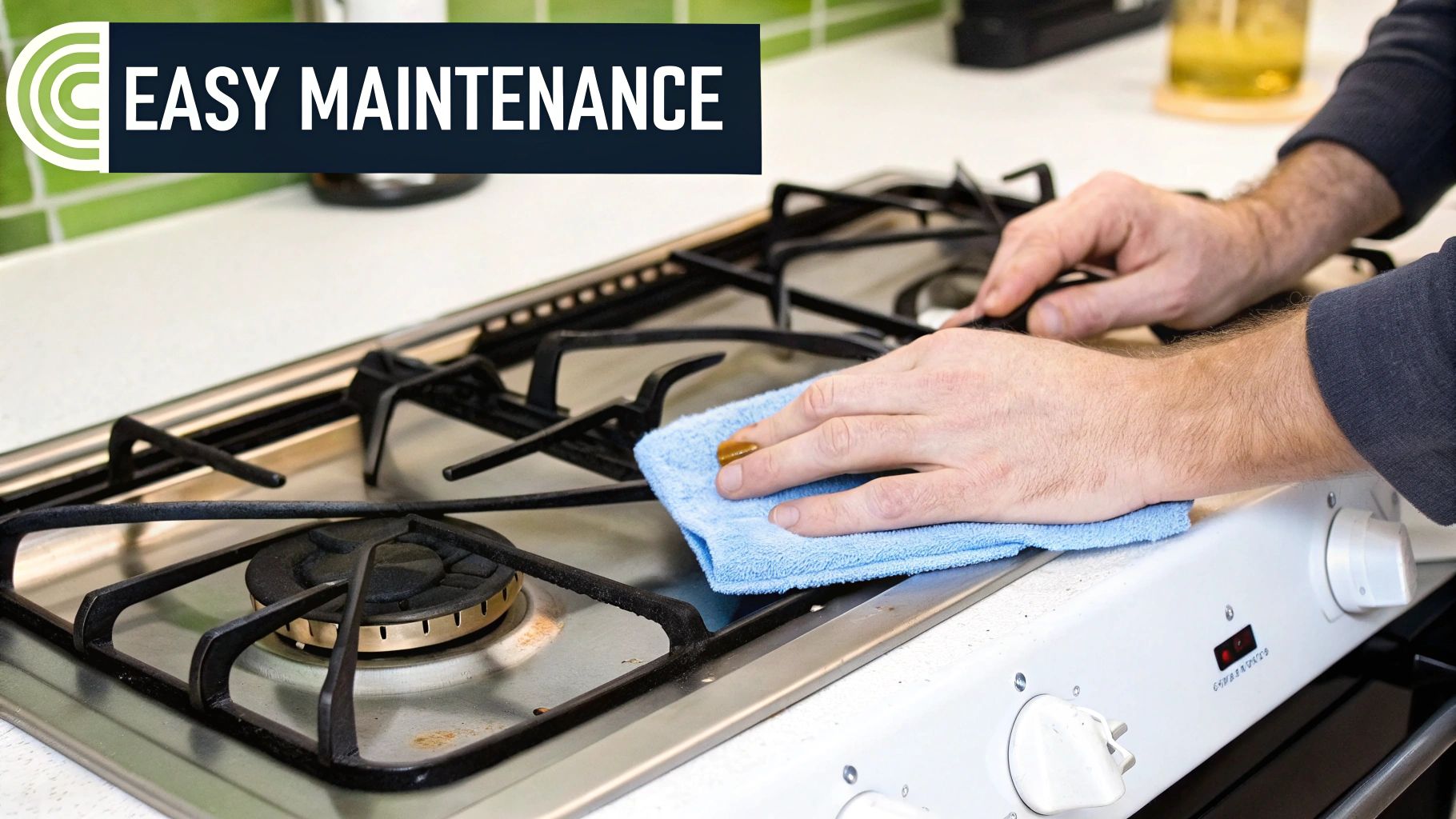
You've invested in a quality 2-burner gas cooktop, and protecting that investment is easier than you might think. A little bit of consistent, simple maintenance is all it takes to keep your equipment running smoothly for years. It’s a small daily habit that pays off big time by preventing the kind of surprise breakdowns that throw a wrench in your service.
Just like any other core piece of your kitchen, from your commercial refrigerators to your prep tables, your cooktop needs a bit of regular attention. A quick daily wipe-down handles fresh grease and spills, but a more thorough weekly clean is what keeps the essential parts in prime condition.
Daily and Weekly Cleaning Routines
The best way to keep your cooktop at peak performance is to build these simple tasks right into your closing routine. This proactive approach stops grease from turning into a baked-on mess and keeps your burner ports clear, ensuring you get a strong, even flame every time you fire it up.
- Daily Wipe-Down: At the end of every shift, lift off the cast iron grates. Give the entire stainless steel surface a good wipe-down with a clean cloth and a mild degreaser.
- Clear Debris: Take a quick look around the burners for any stray food bits that could block the gas flow.
- Weekly Grate Cleaning: Once a week, let the cast iron grates soak in some hot, soapy water. This will break down all that stubborn, cooked-on gunk. Give them a good scrub with a stiff brush and dry them completely before putting them back.
- Check Burner Ports: Use a small pin or an unfolded paperclip to gently poke out any clogs from the burner ports. This is the secret to maintaining that efficient, hot blue flame.
For some similar cleaning tips you can use on other gear, take a look at our guide on how to clean a commercial griddle.
A well-maintained cooktop is a reliable cooktop. Just a few minutes of cleaning each day can prevent common issues like weak flames and ignition problems, ensuring your equipment is always ready for the next rush.
By sticking to these simple steps, you'll seriously extend the life of your equipment. More importantly, you'll guarantee it operates safely and efficiently—just like the other workhorses in your kitchen, such as your undercounter freezers and deep fryers.
Picking the right supplier for your 2-burner gas cooktop is a huge deal—just as critical as choosing the cooktop itself. Here at Seattle Restaurant Equipment, we don't just move boxes. We're here to help local foodservice businesses get set up for success.
Our whole approach is built on delivering real value. You won't find flashy, expensive showrooms or commissioned salespeople driving up prices. We keep things straightforward. This means you get high-quality, dependable equipment at prices that actually work for your budget.
We get it. A cooktop is just one piece of the puzzle. That’s why we’ve put together a solid selection of everything your kitchen needs to run like a well-oiled machine.
More Than Just Cooktops
Our inventory is a direct reflection of what Washington’s incredible food scene actually needs. We stock the essentials—the workhorses designed to handle the daily grind of a commercial kitchen.
This includes things like:
- Refrigeration: Everything from full-size commercial refrigerators and commercial freezers to the more compact under counter refrigerators and under counter freezers that save precious space.
- Specialty Prep: We’ve got the efficient sandwich prep tables and pizza prep tables that make service a breeze.
- Bar & Cafe Gear: Our stock includes dedicated Seattle bar equipment and the reliable Seattle coffee shop refrigerators you can count on.
- Cooking Line Staples: And of course, beyond cooktops, we supply the powerful deep fryers that are the backbone of so many great menus.
We really see ourselves as an approachable, supportive partner in your venture. Our main goal is to help you build the kitchen you need to thrive, whether you're just firing up the grill for the first time or expanding an already successful operation.
Every single piece of equipment we sell is backed by a solid warranty, so you can feel good about your investment. We also offer free and fast shipping across Washington and have financing options available to help you manage your cash flow. We’re here to get you the durable, reliable gear you need to serve great food and grow your business.
Questions We Hear All the Time
Investing in a piece of equipment as essential as a 2-burner gas cooktop is a big decision, and it's natural to have questions. Here are the straightforward answers to the most common things we get asked by Seattle-area restaurant and food truck operators.
What’s the Right BTU Rating for a Commercial Cooktop?
For almost anything you'll be doing—sautéing, searing, simmering—you'll want to be in the 25,000 to 35,000 BTUs per burner range. Think of this as the sweet spot. It gives you all the power you need for a fast, consistent heat-up to keep pace with the dinner rush, but it isn't overkill for a smaller unit.
This kind of power is what lets you get a perfect sear on a steak or bring a big pot of water to a rolling boil in minutes. Get the BTU rating right, and your cooktop becomes a workhorse, not a bottleneck. Here at Seattle Restaurant Equipment, we can help you match the output to your menu so you have the right tool for the job.
Can I Just Use a Residential Cooktop in My Food Truck?
Absolutely not. We see people consider this to save a few bucks, but it's a huge mistake. Commercial units are built differently, using higher-grade stainless steel and cast iron parts that are made to take a beating from constant heavy use and intense heat. A home unit just won't last.
Even more critical, commercial cooktops are NSF-certified, which means they meet strict health and fire codes. Using residential gear in a commercial kitchen is a serious violation that can get you hit with fines, failed inspections, or even shut down. It's a risk no Washington business should ever take.
Do I Really Need a Special Hood for This Cooktop?
Yes, this is non-negotiable. Any piece of gas cooking equipment that produces grease-laden vapors—and that definitely includes a 2-burner gas cooktop—is legally required to have a Type 1 commercial ventilation hood.
This is hands-down one of the most important fire safety rules in any commercial kitchen. A proper ventilation system is engineered to pull out intense heat, smoke, and flammable grease, which dramatically cuts down your risk of a dangerous fire.
How Does Your Financing Work?
We get that cash flow is king, so we made our financing process simple and fast for busy operators like you. It's a straightforward online application with quick decisions.
This way, you can get the equipment you need right now—whether it's a new cooktop, a commercial freezer, or a sandwich prep table—without a massive upfront cash outlay. It lets you keep your money working for you and stay focused on growing your business.
Ready to find the perfect equipment for your kitchen? At Seattle Restaurant Equipment, we offer a hand-picked selection of reliable, high-performance cooktops and other essential appliances with free, fast shipping across Washington. Explore our inventory today and build the efficient, productive kitchen your business deserves.